Cold and Flu Remedies: Available Options and Indications
The term "cold" refers to a group of acute respiratory infections (ARIs), including acute respiratory viral infections (ARVIs) and influenza. These conditions are caused by various pathogens but present with similar clinical symptoms. A wide range of cold and flu remedies are used to alleviate discomfort, speed up recovery, and prevent complications. These medications belong to different pharmacological groups and vary in their mechanisms of action.
Main Causes of Colds
Colds are most commonly caused by viruses, and less frequently by bacteria and other microorganisms that can affect the entire respiratory tract, from the nose and throat to the bronchi and lungs, sometimes even the eyes.
The primary cause of ARIs and ARVIs is a weakened immune system, which normally protects the body from external threats. When immunity is low, airborne pathogens (spread through coughing, sneezing, or close contact) begin to multiply and release toxins, leading to the onset of illness.
Factors That Weaken Immunity
Hypothermia
Frequent stress
High mental and physical load
Poor environmental conditions
Lack of vitamins and minerals
Unbalanced diet
Bad habits
Chronic diseases
Use of certain medications
How Colds Develop
With a weakened immune system, infections easily enter the upper respiratory tract. Once on the mucous membranes, pathogens release toxins that spread through the bloodstream and damage healthy cells.
Common Symptoms of Colds
Nasal congestion
Sneezing
Runny nose (rhinorrhea)
Watery eyes
Chills
Fever
Headache
Sore or irritated throat
Cough
General fatigue
Over time, nasal discharge may become yellow-green and thicker. Without timely treatment, infections can spread and lead to complications such as otitis media, conjunctivitis, sinusitis, laryngitis, bronchitis, or pneumonia. Influenza may also trigger the worsening of chronic conditions or lead to secondary bacterial infections and heart complications.
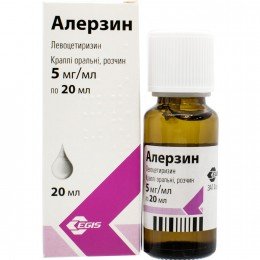
DESCRIPTIONAlerzin is an antihistamine for the symptomatic treatment of allergic rhinitis (including year-round allergic rhinitis) and urticariaRECOMENDED TO TREAT:To relieve symptoms associated with allergic rhinitis, such as sneezing, nasal disch..
DESCRIPTIONAlerzin is an antihistamine for the symptomatic treatment of allergic rhinitis (including year-round allergic rhinitis) and urticariaRECOMENDED TO TREAT:To relieve symptoms associated with allergic rhinitis, such as sneezing, nasal disch..
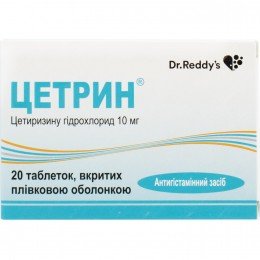
DESCRIPTIONCetrine is an antihistamine for the symptomatic treatment of allergic rhinitis (including year-round allergic rhinitis) and urticariaRECOMENDED TO TREAT:To relieve symptoms associated with allergic rhinitis, such as sneezing, nasal disch..
DESCRIPTIONErius® tablets are used to eliminate symptoms associated with allergic rhinitis and urticaria. It is a non-sedating, long-acting antihistamine that has a selective antagonistic effect on peripheral H1 receptors. Following oral administra..
DESCRIPTIONErius® tablets are used to eliminate symptoms associated with allergic rhinitis and urticaria. It is a non-sedating, long-acting antihistamine that has a selective antagonistic effect on peripheral H1 receptors. Following oral administra..
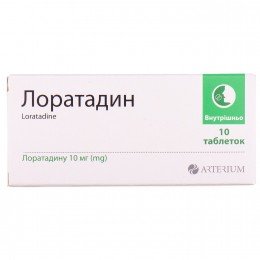
DESCRIPTIONLoratadine is a tricyclic antihistamine with selective activity towards peripheral H1 receptorsRECOMENDED TO TREAT:Treatment of symptoms of seasonal and year-round allergic rhinitisSneezeItching of the nasal mucosaRhinorrheaBurning and i..
DESCRIPTIONLoratadine is a tricyclic antihistamine with selective activity towards peripheral H1 receptorsRECOMENDED TO TREAT:Treatment of symptoms of seasonal and year-round allergic rhinitisSneezeItching of the nasal mucosaRhinorrheaBurning and i..
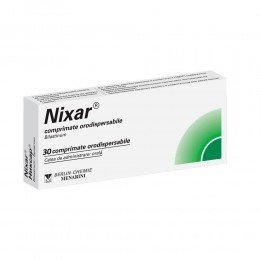
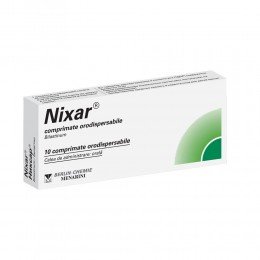
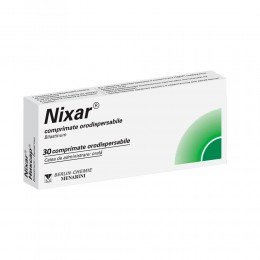
DESCRIPTIONBilastine is a long-acting antihistamine, does not cause a sedative effect, selectively binds to peripheral h1 receptors and does not bind to m-cholinergic receptors. After a single application, bilastine suppresses the development of hi..
DESCRIPTIONBilastine is a long-acting antihistamine, does not cause a sedative effect, selectively binds to peripheral h1 receptors and does not bind to m-cholinergic receptors. After a single application, bilastine suppresses the development of hi..
DESCRIPTIONBilastine is a long-acting antihistamine, does not cause a sedative effect, selectively binds to peripheral h1 receptors and does not bind to m-cholinergic receptors. After a single application, bilastine suppresses the development of hi..